
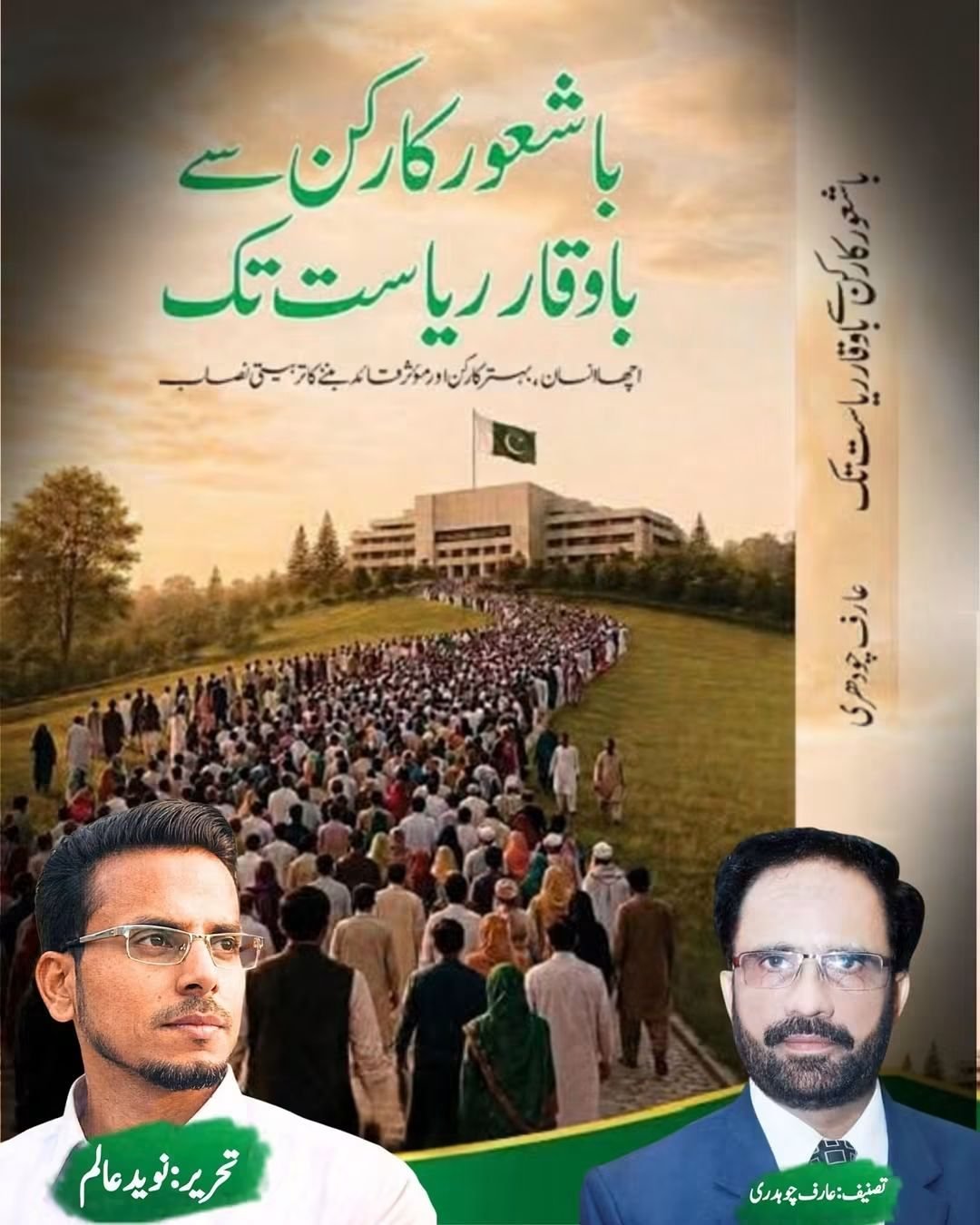
The essence of the political life of Mr. Arif Chaudhry, a seasoned political leader whose journey from an ordinary political worker to the central leadership of a political party spans decades
I first became acquainted with Mr. Arif Chaudhry in 2012–2013 during media training workshops held in Lahore in connection with media representation.
Later, when he served as Central Secretary Coordination of Pakistan Awami Tehreek, I remained in contact with him in my capacity as Coordination Secretary of PAT Karachi. Subsequently, during his tenure as Supervisor of Social Media for Pakistan Awami Tehreek, I remained connected with him while serving as Central Coordinator and Deputy Coordinator of Social Media.
I have always found him to be an exceptionally compassionate, approachable and considerate person — someone blessed with patience, tolerance and composure; someone who respects workers, listens to them and makes a genuine effort to understand their concerns; someone who encourages them, appreciates their efforts and acknowledges even their smallest contributions. Despite being part of the central leadership, he has always remained remarkably humble and modest. Above all, I have found him to be a political worker and leader possessing profound political understanding and a habit of continuous reflection and contemplation.
The true training of a political worker does not come merely through slogans, public gatherings, organizational responsibilities or participation in political activities. It also requires thought, awareness, study, observation, the courage to ask questions, the capacity to understand disagreement, and continuous self-accountability. This is the fundamental point from which Mr. Arif Chaudhry’s book, “From a Conscious Political Worker to a Dignified State,” begins its intellectual journey.
Mr. Arif Chaudhry’s political journey did not begin with a particular office or position. He has been a political worker since his youth. He progressed through responsibilities at the organizational level, worked in the field, passed through different phases and experiences, and eventually reached the central leadership through his hard work, observation and abilities.
This long practical journey is also one of the most significant features of this book, because politics here is not being discussed by a distant observer. Rather, it reflects the experience of someone who has walked alongside political workers, witnessed their problems closely, and passed through the many ups and downs of organizational and political life before putting these subjects into words.
Although Mr. Arif Chaudhry is counted among the central leaders of a political party, he has always kept alive within himself the sensitivity of an ordinary political worker. Senior positions have never allowed arrogance, rigidity, harshness or detachment from ordinary workers — ailments often associated with positions of authority — to come anywhere near his personality.
When, as a political leader, he meets workers, asks them about particular matters, receives reports, follows up on targets or motivates them to achieve certain objectives, the workers do not feel as though a senior central leader is addressing them. Instead, it feels as if one of their own fellow travelers — a compassionate and sympathetic political worker — is guiding them.
Perhaps this is precisely why “From a Conscious Political Worker to a Dignified State” does not feel like merely another book written on political subjects. Rather, it appears to be a journey through the inner and practical development of a political worker, in which the author takes the reader along with him, step by step.
From the portion of the book that I had the opportunity to read, one impression emerges very clearly: instead of merely assembling beautiful words, grand expressions or political terminology, the author has attempted to present his experiences and observations in a practical, comprehensible and intellectually structured manner.
Time and again, the reader feels as though the author is holding their hand and taking them through a political journey whose many stages he himself has traversed over decades.
He does not merely explain what should be done; he also leads the reader toward questions such as: Why should it be done? How should it be done? Where should one pause and reflect? What should one learn at a particular stage? And which experiences should one carry forward into the next phase of the journey?
When does a political worker become merely part of a crowd, and when does that worker develop into a conscious individual?
Why does frustration arise within a political worker?
What should be the nature of the relationship between a worker, the leadership and the movement?
For a political worker, what is the difference between loyalty and blind following?
At what point does disagreement begin to play a constructive role, and when can it become a cause of organizational disorder?
And, above all, how can a political worker move beyond personal interests, party affiliation and movement politics to play a positive role for the country and society?
These are not merely questions concerning the internal affairs of political organizations. They are, in fact, fundamental questions of political and civic consciousness.
A great deal has been written about politics in Pakistan. Books on political history are available, and considerable material exists on different political personalities, parties and movements. However, comparatively less appears to have been written in this manner about the intellectual, ethical, organizational and practical development of the political worker.
Perhaps it is because of this gap that we observe a strange contradiction in our political life: there is tremendous political activity, but political consciousness is not always visible in the same proportion.
The role of a conscious political worker is not merely to defend every decision of their party or leadership, nor is it a sign of political awareness to prove an opposing political party or leadership wrong under all circumstances.
If a political worker stops asking questions, conducting research, understanding disagreement, listening to arguments and reconsidering their own position, then political commitment can gradually cease to be a conscious commitment and become merely a form of group loyalty.
Similarly, if politics becomes merely a means of acquiring personal influence, positions, connections or minor personal benefits, its sense of purpose begins to weaken.
The true strength of a political worker does not lie in office or designation. It lies in awareness, character, purpose and a sense of collective responsibility.
Mr. Arif Chaudhry essentially belongs to that school of political thought which considers the individual to be the fundamental unit of society and organization — a school of thought that believes the destiny of nations rests in the hands of individuals. The deterioration of an individual and citizen darkens the future of both the country and the political party, whereas the development of an aware, responsible individual, citizen and political worker becomes a guarantee of progress for both.
As Allama Iqbal said:
> “The destiny of nations lies in the hands of individuals;
Every individual is a star in the destiny of the nation.”
The title “From a Conscious Political Worker to a Dignified State” appears to extend this very philosophy from the individual all the way to the state.
If the individual is conscious, the political worker will be conscious. If political workers are conscious, awareness will enter organizational processes. If organizations operate on conscious and principled foundations, political parties can play a more responsible role. Ultimately, a society composed of responsible citizens can also influence the overall character of the state.
The book engages in a comprehensive discussion on disagreement, protest and the relationship between the state and its citizens, while also addressing the responsibilities of every stakeholder.
When the state and its citizens appear to be standing opposite one another, what should be the conduct of a conscious political worker and that of a responsible state?
The book teaches that the worker must transform power into responsibility, while the state must exercise its power with restraint, justice and wisdom.
When political workers and those entrusted with state authority are conscious and responsible, disagreement does not turn into hostility, protest does not turn into confrontation, and state authority does not turn into indifference.
The essence of this book is that a “conscious political worker” and a “dignified state” are not opposing forces; rather, they are two responsible participants in the same collective journey.
In my view, this is where the real significance of the book lies. It does not merely teach a political worker to “stand with someone.” Instead, it encourages the worker to think, understand, question, learn and accept responsibility.
And perhaps this is precisely the journey that our political workers need today.
We need a political worker who places purpose before personality;
who gives reason a place alongside emotion;
who has the courage to question while remaining committed;
who does not interpret disagreement as hostility;
who does not regard their own opinion as final;
who learns to respect the opinions of others and the majority;
who recognizes responsibilities alongside rights;
and who regards politics not merely as a means of personal advancement, but as a responsibility toward collective life.
Mr. Arif Chaudhry has attempted to bring together decades of political experience, observation and intellectual reflection in this book in a manner that invites the reader to reconsider their own political attitudes, priorities, questions and responsibilities.
I wish that this book would be read not only by political workers, but also by all citizens who wish to understand the principles upon which the relationship between a responsible citizen, a conscious political worker, an effective political organization and a dignified state can be built.
Because states are not built merely through buildings, institutions and laws;
states are also built by conscious individuals.
And if this book succeeds in leading even one political worker from blind loyalty toward conscious commitment, from emotional reaction toward thoughtful reflection, from personal interest toward purpose, and from confrontation toward responsible disagreement, then its journey will have been meaningful.
In the end, the central message of this book can perhaps be summarized in just a few words:
Let disagreement remain. Let voices be heard. Let protest continue…
but let the Constitution, the law, human dignity and the state all remain protected.
That consciousness, perhaps, is the first step on the journey from a conscious political worker to a dignified state.
عام سیاسی کارکن سے لیکر سیاسی جماعت کی مرکزی قیادت دہائیوں کا سفر طے کرنے والے کہنہ مشق سیاسی راہنماء عارف چوہدری صاحب کی سیاسی زندگی کا نچوڑ
عارف چوہدری صاحب سے شناسائی 2012-2013 میں میڈیا ترجمانی کے حوالے سے لاہور میں منعقدہ میڈیا ٹریننگ ورکشاپس کے دوران ہوئئ۔
بعد ازاں مرکزی سیکرٹری کوآرڈینیشن پاکستان عوامی تحریک کے طور پر بطور کوآرڈینیشن سیکریٹری PAT کراچی رابطہ رہا، پھر بطور نگران سوشل میڈیا پاکستان عوامی تحریک ان سے بطور مرکزی کوآرڈینیٹر اور ڈپٹی کوآرڈینیٹر سوشل میڈیا رابطہ رہا۔
میں نے انہیں انتہائی شفیق، ملنسار، احساس کرنے والا، صبر و تحمل اور بردباری والا، کارکنان کو عزت دینے والا، انکی باتوں کو سننے اور سمجھنے کی کوشش کرنے والا، انکی حوصلہ افزائی، تعریف کرنے اور چھوٹے چھوٹے کاموں کو سراہنے والا، مرکزی قیادت پر ہوتے ہوئے انتہائی عاجزی و انکساری والا اور سب سے بڑھ کر گہری سیاسی سمجھ بوجھ اور مستقل غور و فکر کرنے والا سیاسی کارکن اور راہنما پایا۔
کسی سیاسی کارکن کی اصل تربیت صرف نعروں، جلسوں، تنظیمی ذمہ داریوں یا سیاسی سرگرمیوں میں شرکت سے نہیں ہوتی؛ اس کے لیے فکر، شعور، مطالعہ، مشاہدہ، سوال اٹھانے کی جرأت، اختلاف کو سمجھنے کا حوصلہ اور اپنے کردار کا مسلسل احتساب بھی ضروری ہے۔ یہی وہ بنیادی نکتہ ہے جہاں سے عارف چوہدری صاحب کی کتاب ’’باشعور کارکن سے باوقار ریاست تک‘‘ اپنا فکری سفر شروع کرتی ہے۔
عارف چوہدری صاحب کا سیاسی سفر کسی ایک عہدے یا منصب سے شروع ہونے والا سفر نہیں۔ وہ نوجوانی سے سیاسی کارکن رہے، تنظیمی سطح کی ذمہ داریوں سے آگے بڑھے، میدانِ عمل میں کام کیا، مختلف مراحل اور تجربات سے گزرے اور اپنی محنت، مشاہدے اور صلاحیت کے باعث مرکزی قیادت تک پہنچے۔ یہی طویل عملی سفر اس کتاب کی سب سے اہم خصوصیت بھی ہے، کیونکہ یہاں سیاست کسی دور بیٹھے ہوئے مبصر کا موضوع نہیں بلکہ ایک ایسے شخص کا تجربہ ہے جس نے سیاسی کارکن کے ساتھ چل کر، اس کے مسائل کو قریب سے دیکھ کر اور تنظیمی و سیاسی زندگی کے مختلف نشیب و فراز سے گزر کر ان موضوعات کو قلم بند کیا ہے۔
گو عارف چوہدری صاحب سیاسی جماعتوں کے مرکزی قائدین میں شمار ہوتے ہیں، لیکن انہوں نے خود کو ہمیشہ ایک حساس سیاسی کارکن کے طور پر زندہ رکھا ہے۔ بڑے عہدوں نے ان کے اندر کبر، اکڑ، سختی اور عام کارکنان سے لاتعلقی جیسی عام بیماریاں قریب بھی نہیں آنے دیں۔ بطور سیاسی قائد جب وہ کارکنان سے ملتے ہیں، ان سے کسی معاملے میں پوچھ گچھ کرتے ہیں، رپورٹس لیتے ہیں، اہداف کا فالو اَپ کرتے ہیں یا کسی ہدف کے حصول کے لیے انہیں متحرک کرتے ہیں تو کارکنان کو یہ احساس نہیں ہوتا کہ کوئی بڑا مرکزی قائد ان سے مخاطب ہے؛ بلکہ یوں محسوس ہوتا ہے جیسے ان کا اپنا ہم سفر، ایک شفیق اور ہمدرد سیاسی کارکن، ان کی رہنمائی کر رہا ہو۔
شاید یہی وجہ ہے کہ ’’باشعور کارکن سے باوقار ریاست تک‘‘ محض سیاسی موضوعات پر لکھی ہوئی ایک اور کتاب محسوس نہیں ہوتی، بلکہ سیاسی کارکن کی داخلی اور عملی تشکیل کا ایک ایسا سفر دکھائی دیتی ہے جس میں مصنف قاری کو قدم بہ قدم اپنے ساتھ لے کر چلتا ہے۔
اس کتاب کے جس حصے سے مجھے گزرنے کا موقع ملا، اس سے یہ احساس نمایاں طور پر ابھرتا ہے کہ مصنف نے محض خوب صورت الفاظ، بلند بانگ محاوروں یا سیاسی اصطلاحات کا انبار لگانے کے بجائے اپنے تجربات اور مشاہدات کو ایک عملی اور قابلِ فہم فکری ترتیب میں پیش کرنے کی کوشش کی ہے۔ قاری کو بارہا یوں محسوس ہوتا ہے جیسے مصنف اس کے ساتھ اس کا ہاتھ تھامے ہوئے اسے سیاست کے ایک ایسے سفر پر لے جا رہا ہے جس کی بہت سی منزلیں وہ خود دہائیوں میں طے کر چکا ہے۔
وہ صرف یہ نہیں بتاتا کہ کیا کرنا چاہیے؛ بلکہ اس سوال کی طرف بھی لے جاتا ہے کہ کیوں کرنا چاہیے، کیسے کرنا چاہیے، کہاں رک کر سوچنا چاہیے، کس مرحلے پر کیا سیکھنا چاہیے اور کن تجربات کو آئندہ سفر کے لیے اپنے ساتھ لے کر چلنا چاہیے۔
ایک سیاسی کارکن کب محض ہجوم کا حصہ بن جاتا ہے اور کب ایک باشعور فرد کی حیثیت اختیار کرتا ہے؟
کارکن میں مایوسی کیوں جنم لیتی ہے؟
کارکن، قیادت اور تحریک کے درمیان تعلق کی نوعیت کیا ہونی چاہیے؟
کسی سیاسی کارکن کے لیے وفاداری اور اندھی تقلید میں کیا فرق ہے؟
اختلافِ رائے کہاں سے تعمیری کردار ادا کرنا شروع کرتا ہے اور کہاں سے تنظیمی انتشار کا سبب بن سکتا ہے؟
اور سب سے بڑھ کر یہ کہ ایک کارکن اپنی ذات، جماعت اور تحریک سے آگے بڑھ کر ملک اور معاشرے کے لیے کیا مثبت کردار ادا کرسکتا ہے؟
یہ سوالات محض سیاسی تنظیموں کے اندرونی معاملات کے سوالات نہیں؛ یہ دراصل سیاسی اور شہری شعور کے بنیادی سوالات ہیں۔
پاکستان میں سیاست پر بہت کچھ لکھا گیا ہے، سیاسی تاریخ پر بھی کتابیں موجود ہیں، مختلف سیاسی شخصیات اور تحریکوں کے کردار پر بھی بہت سا مواد دستیاب ہے؛ لیکن سیاسی کارکن کی فکری، اخلاقی، تنظیمی اور عملی تربیت پر اس انداز میں لکھا جانا نسبتاً کم دکھائی دیتا ہے۔ شاید اسی خلا کی وجہ سے ہماری سیاسی زندگی میں ایک عجیب تضاد بھی نظر آتا ہے: سیاسی سرگرمی تو بہت ہے، لیکن سیاسی شعور ہر جگہ اسی تناسب سے دکھائی نہیں دیتا۔
ایک باشعور کارکن کا کام صرف اپنی جماعت یا قیادت کے ہر فیصلے کا دفاع کرنا نہیں ہوتا، اور نہ ہی مخالف سیاسی جماعت یا قیادت کو ہر صورت غلط ثابت کرنا سیاسی شعور کی علامت ہے۔ سیاسی کارکن اگر سوال کرنا، تحقیق کرنا، اختلاف کو سمجھنا، دلیل کو سننا اور اپنے موقف پر نظرثانی کرنا چھوڑ دے تو اس کی سیاسی وابستگی رفتہ رفتہ شعوری وابستگی کے بجائے محض گروہی وابستگی بن سکتی ہے۔
اسی طرح سیاست اگر صرف ذاتی اثر و رسوخ، عہدے، تعلقات یا معمولی ذاتی فوائد کے حصول کا ذریعہ بن جائے تو اس کی مقصدیت کمزور پڑ جاتی ہے۔ سیاسی کارکن کی اصل طاقت اس کے عہدے میں نہیں بلکہ اس کے شعور، کردار، مقصدیت اور اجتماعی ذمہ داری کے احساس میں ہوتی ہے۔
عارف چوہدری صاحب کا تعلق دراصل اس سیاسی مکتب سے ہے جو فرد کو معاشرے اور تنظیم کی بنیادی اکائی سمجھتے ہیں، جو سمجھتے ہیں کہ اقوام کی تقدیر افراد کے ہاتھوں میں ہے، فرد اور شہری کا بگاڑ ملک اور سیاسی جماعت کے مستقبل کو تاریک جبکہ فرد، شہری اور سیاسی کارکن کا سنورنا اور باشعور ہونا ملک اور سیاسی جماعت کی کامیابی کا ضامن ہے۔ بقول اقبال
افراد کے ہاتھوں میں ہے اقوام کی تقدیر
ہر فرد ہے ملت کے مقدر کا ستارہ
’’باشعور کارکن سے باوقار ریاست تک‘‘ کا عنوان اسی فکر کو فرد سے ریاست تک پھیلاتا دکھائی دیتا ہے۔ اگر فرد باشعور ہوگا تو کارکن باشعور ہوگا؛ کارکن باشعور ہوگا تو تنظیمی عمل میں شعور آئے گا؛ تنظیمیں شعوری بنیادوں پر کام کریں گی تو سیاسی جماعتوں کا کردار بھی زیادہ ذمہ دارانہ ہو سکتا ہے، اور بالآخر ایک ذمہ دار شہری معاشرہ ریاست کے مجموعی کردار پر بھی اثرانداز ہوتا ہے۔
کتاب اختلاف، احتجاج اور ریاست و شہری کے باہمی تعلق پر بات سیر حاصل گفتگو کرتے ہوئے ہر فریق کی ذمہ داریوں پر بات کرتی ہے۔
جب ریاست اور شہری ایک دوسرے کے بالمقابل کھڑے دکھائی دیں تو ایک باشعور سیاسی کارکن اور ایک ذمہ دار ریاست کا طرزِ عمل کیا ہونا چاہیے؟
یہ کتاب سکھاتی ہے کہ کارکن اپنی طاقت کو ذمہ داری میں بدلے،
اور ریاست اپنی طاقت کو تحمل، انصاف اور حکمت میں۔
سیاسی کارکنان اور ریاستی ذمہ داران باشعور ہوں تو اختلاف دشمنی نہیں بنتا، احتجاج تصادم نہیں بنتا اور ریاستی اختیار بے حسی نہیں بنتا۔
اس کتاب کا حاصل یہ ہے کہ ’’باشعور کارکن‘‘ اور ’’باوقار ریاست‘‘ ایک دوسرے کے مقابل نہیں بلکہ ایک ہی اجتماعی سفر کے دو ذمہ دار کردار ہیں۔
میرے نزدیک اس کتاب کی اصل اہمیت بھی یہی ہے کہ یہ سیاسی کارکن کو صرف ’’کسی کے ساتھ کھڑے ہونے‘‘ کا درس نہیں دیتی بلکہ اسے سوچنے، سمجھنے، سوال کرنے، سیکھنے اور ذمہ داری قبول کرنے کی طرف متوجہ کرنے کی کوشش کرتی ہے۔
اور شاید یہی وہ سفر ہے جس کی آج ہمارے سیاسی کارکن کو ضرورت ہے۔
ایسا کارکن جو شخصیت سے پہلے مقصد کو دیکھے،
جذبات کے ساتھ دلیل کو بھی جگہ دے،
وابستگی کے ساتھ سوال کرنے کا حوصلہ رکھے،
اختلاف کو دشمنی نہ سمجھے،
اپنی رائے کو حتمی نا سمجھے،
دوسروں یا اکثریتی رائے کا احترام سیکھے،
اپنے حقوق کے ساتھ اپنی ذمہ داریوں کو بھی پہچانے،
اور سیاست کو محض ذاتی ترقی نہیں بلکہ اجتماعی زندگی کی ذمہ داری سمجھے۔
عارف چوہدری صاحب نے اپنی کئی دہائیوں کے سیاسی تجربے، مشاہدے اور فکری سفر کو جس انداز میں اس کتاب میں سمیٹنے کی کوشش کی کہ یہ قاری کو اپنے سیاسی رویوں، ترجیحات، سوالات اور ذمہ داریوں پر دوبارہ غور کرنے کی دعوت بھی دیتا ہے۔
میری خواہش ہے کہ اس کتاب کو صرف سیاسی کارکن ہی نہ پڑھیں، بلکہ وہ تمام شہری بھی پڑھیں جو یہ سمجھنا چاہتے ہیں کہ ایک ذمہ دار شہری، ایک باشعور کارکن، ایک مؤثر سیاسی تنظیم اور ایک باوقار ریاست کے درمیان تعلق کی بنیاد کن اصولوں پر قائم ہوسکتی ہے۔
کیونکہ ریاستیں صرف عمارتوں، اداروں اور قوانین سے نہیں بنتیں؛
ریاستیں باشعور افراد سے بھی بنتی ہیں۔
اور اگر یہ کتاب کسی ایک کارکن کو اندھی وابستگی کے بجائے شعوری وابستگی، جذباتی ردِعمل کے بجائے فکری تدبر، ذاتی مفاد کے بجائے مقصدیت، اور تصادم کے بجائے ذمہ دار اختلاف کی طرف لے جانے میں کامیاب ہوجائے تو اس کا سفر بامعنی ہے۔
آخر میں اسی کتاب کے مرکزی پیغام کو چند الفاظ میں یوں سمیٹا جا سکتا ہے:
اختلاف رہے، آواز بھی رہے، احتجاج بھی رہے۔۔۔۔
مگر آئین، قانون، انسان اور ریاست سب محفوظ رہیں۔۔۔
یہی شعور، شاید، باشعور کارکن سے باوقار ریاست تک کا پہلا قدم ہے۔
Other Activities
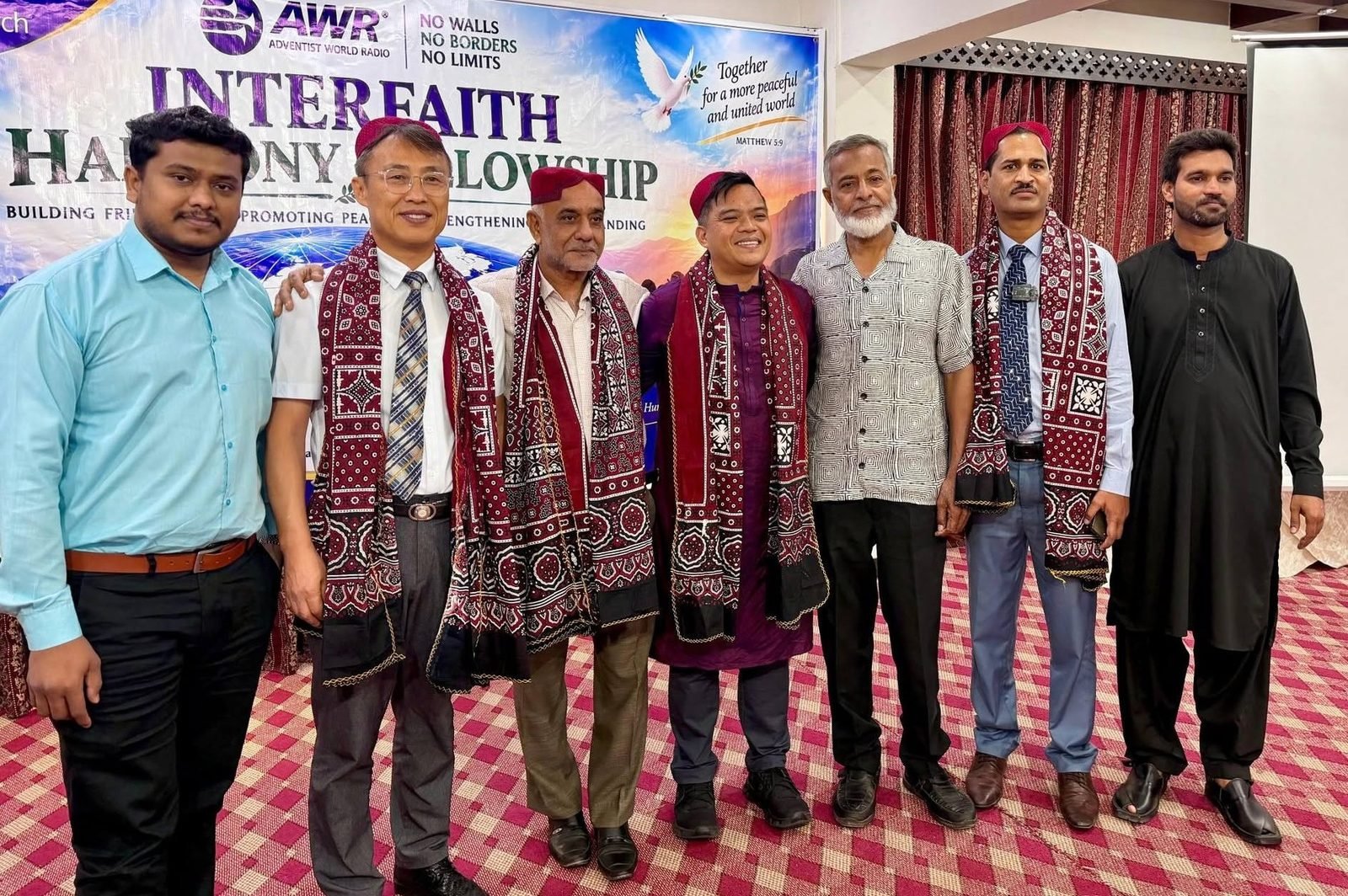
Interfaith Harmony Fellowship — Karachi
President of Minhaj Youth League Karachi Sarim Noor attended the Interfaith Harmony Fellowship at Mehran Hotel, Karachi, alongside Abdul Samad, Coordinator of Interfaith Relations
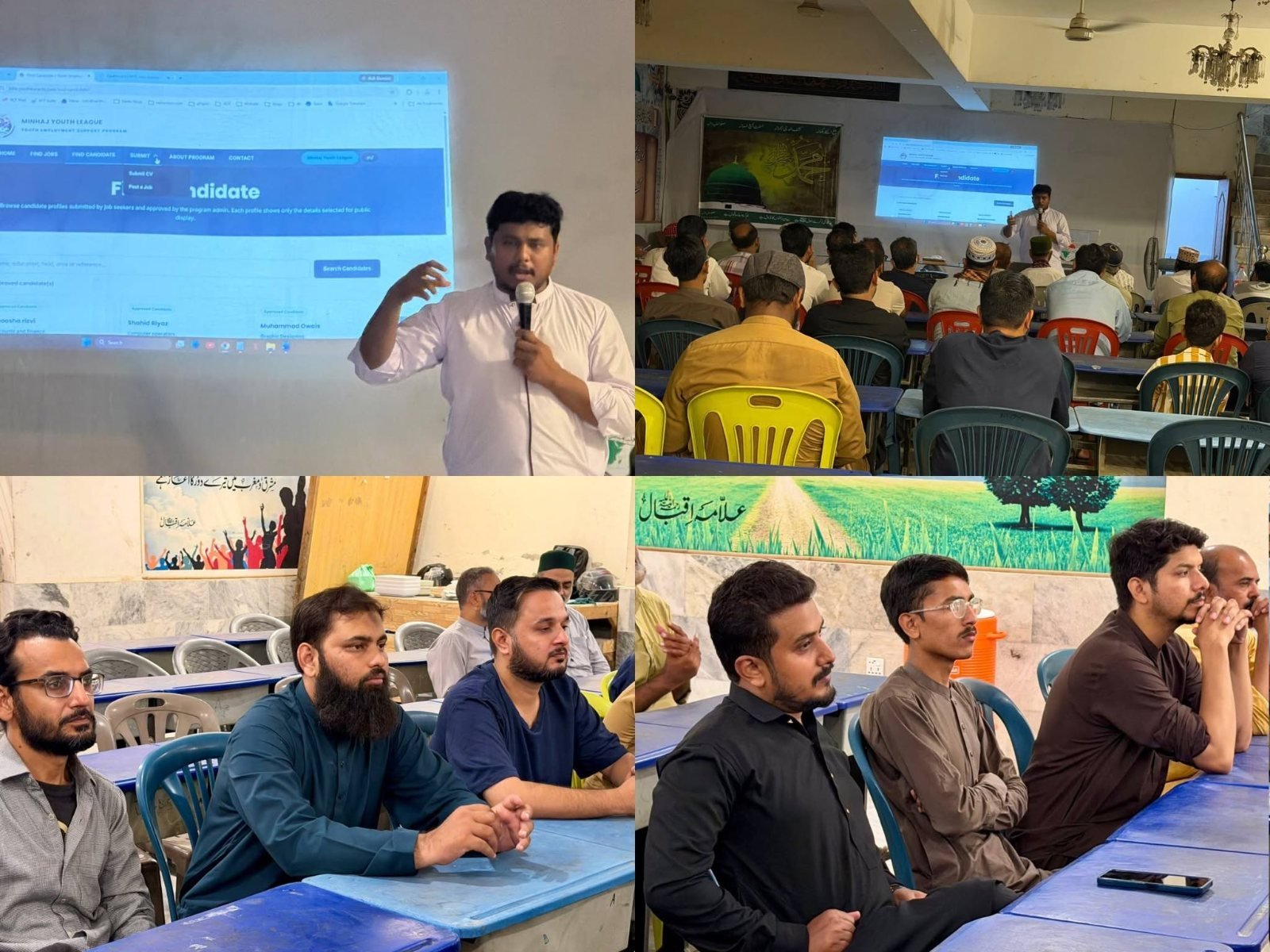
MYL Karachi Launches Youth Employment Support Portal at Dawat-e-Ziafat-e-Milad ﷺ
Minhaj Youth League Karachi introduced its Youth Employment Support Program and online job portal at Dawat-e-Ziafat-e-Milad ﷺ, reaffirming its commitment to helping young people ac
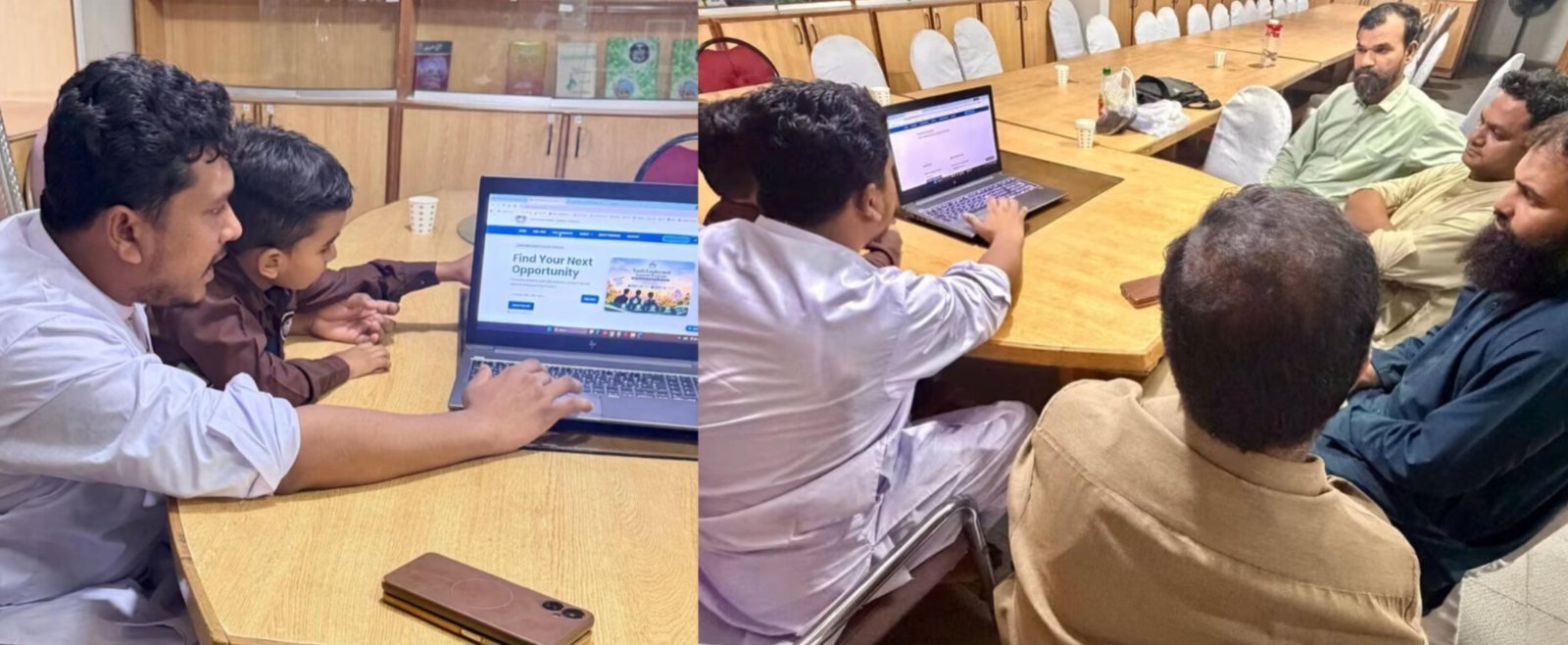
Youth Employment Support Program Meeting Reviews Website and Future Collaboration
Minhaj Youth League Karachi reviewed the Youth Employment Support Program’s website, employer engagement and future plans to connect young people with job opportunities.
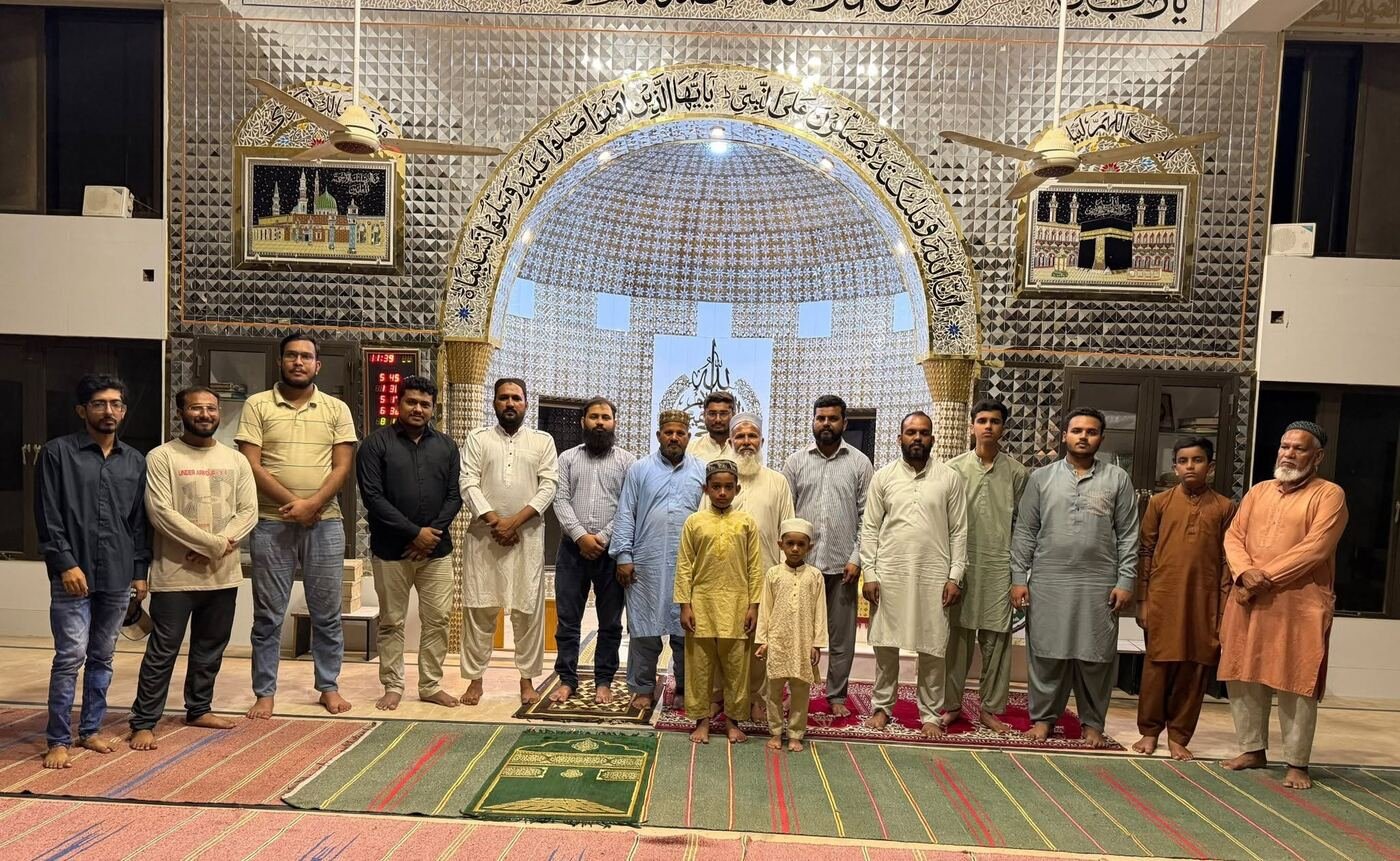
A Commitment Made on 12th Rabi-ul-Awwal Fulfilled on the Blessed Occasion of Giyarhween Sharif
“A commitment made on 12th Rabi-ul-Awwal was fulfilled on the blessed occasion of Giyarhween Sharif.”On the blessed night of 12th Rabi-ul-Awwal, during a Milad-un-Nabi ﷺ gathering,
Comments / تبصرے
Comments appear after moderation.